Santa Claus Knitting Pattern
As an embroidery designer and product reviewer, I’ve evaluated countless machine embroidery designs, from simple monograms to intricate holiday motifs. The Santa Claus Knitting Pattern stands out as a versatile and visually appealing option for a wide range of projects. Whether you're working on custom apparel, handmade gifts, or small business merchandise, this design has the potential to elevate your work—if used thoughtfully.
First Impressions: A Festive and Functional Design
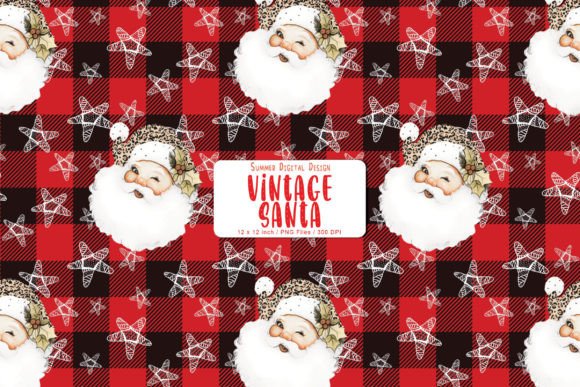
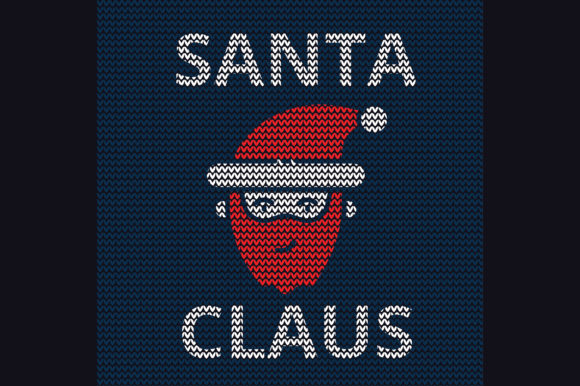
The Santa Claus Knitting Pattern immediately evokes a sense of warmth and nostalgia. Its layout is clean, with a central figure that’s easy to recognize even at smaller sizes. The design balances detail with simplicity, making it suitable for both beginners and experienced embroiderers. The shape and theme suggest it belongs naturally on holiday-themed items like tote bags, sweatshirts, and baby clothes.
The visual personality of the design feels classic and timeless. It doesn’t lean too heavily into modern stylization, which makes it adaptable to various aesthetics. However, its structure does require attention to stitch density and placement, especially in areas like Santa’s hat and coat.
Real-World Embroidery Performance
Testing the Santa Claus Knitting Pattern on different fabrics and project types reveals its strengths and limitations. On cotton or canvas, the design holds up well, with clear lines and defined details. However, on thin or stretchy materials, such as t-shirts or baby onesies, the design can appear slightly compressed or distorted if not stabilized properly.
This pattern works best on flat surfaces like tote bags, aprons, and pillow covers. It also translates well to embroidered patches, where the detail can be appreciated without the complications of curved or textured surfaces. For caps or hats, the design may need resizing or reworking to fit the curve of the brim.
When used on dark fabric, the contrast between the Santa figure and the background is strong, making it ideal for holiday-themed items. On light-colored garments, the design still looks good, but the thread colors must be carefully chosen to ensure visibility and cohesion with the overall aesthetic.
Where to Use With Caution
While the Santa Claus Knitting Pattern is generally reliable, there are situations where it may not perform as expected. Small hoop sizes can cause issues with the design’s larger elements, such as Santa’s beard or the sleigh. If you’re working on a tight space, consider breaking the design into sections or using a larger hoop.
On textured fabrics or those with a lot of movement, the stitches may not lay flat, leading to a less polished finished product. Similarly, dense stitch areas—like Santa’s coat or the background—can cause puckering if the stabilizer isn’t adequate. Always test the design on scrap fabric before committing to a client project or retail item.
For commercial embroidery or digital product sales, ensure that the licensing terms allow for the intended use. Some designs may restrict resale or modification, so always double-check the file’s usage rights before incorporating it into your workflow.
Impact on Visual Appeal and Customer Perception
The Santa Claus Knitting Pattern adds immediate visual appeal to any project it’s applied to. Its recognizable image and festive vibe make it highly desirable for holiday products, personalized gifts, and handmade items. Customers often respond positively to familiar motifs, which can increase the perceived value of your finished product.
In terms of stitching clarity, the design performs well when used on appropriate fabrics and with proper stabilizer. However, if the stitch density is too high, it can lead to a stiff or overly busy look. Balancing detail with practicality is key here.
From a branding perspective, this pattern can help reinforce a holiday or seasonal theme in your craft business. It’s particularly useful for Etsy sellers or small shop owners looking to create cohesive, themed collections. The design also supports handmade presentation, making it a great choice for gift-giving or boutique displays.
Practical Designer Notes
Before using the Santa Claus Knitting Pattern in your next project, follow these steps:
- Test the design on scrap fabric to assess how it looks and behaves on your chosen material.
- Check thread color contrast against the fabric background to ensure visibility and harmony.
- Review the stitch density and adjust if necessary to avoid stiffness or puckering.
- Confirm the hoop size required for the design to prevent distortion or incomplete stitching.
- Inspect small details like Santa’s face, eyes, and facial features to ensure they remain clear and readable.
- Try the design in black and white mockups to see how it appears without color.
- Compare the design on light and dark fabric backgrounds to determine the best application.
- Use the proper stabilizer for your fabric type to maintain a smooth, professional finish.
- Ensure the design is suitable for both personal and commercial use, depending on your goals.
- Verify the licensing terms before selling finished items or digital products.
By following these guidelines, you’ll maximize the potential of the Santa Claus Knitting Pattern while minimizing the risk of unsatisfactory results.
Final Thoughts: A Versatile Holiday Design
The Santa Claus Knitting Pattern is a solid choice for embroidery designers and crafters looking to add a festive touch to their work. Its clean layout, recognizable imagery, and adaptability across various projects make it a valuable addition to any design library. However, like any embroidery file, it requires careful consideration of fabric type, stitch density, and usage rights to achieve the best results.
Whether you're creating a custom tote bag for a client, designing a holiday sweater for your shop, or producing embroidered patches for a craft fair, the Santa Claus Knitting Pattern can serve as a strong foundation. Just remember to approach it with the same care and attention you’d give any other machine embroidery design.