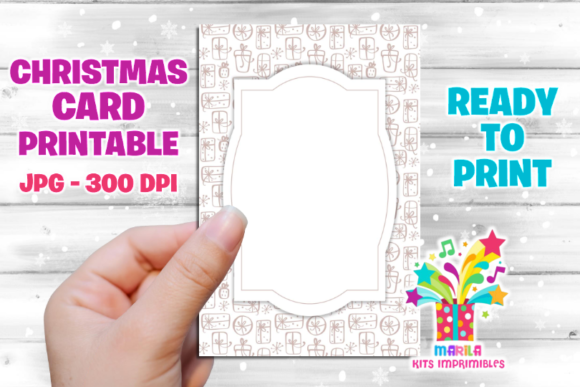
Reviewing Christmas Card Printable 12 for Holiday Stitching
As a designer who spends more time staring at stitch simulations than actual holiday lights, I approach every new machine embroidery design with a mix of excitement and skepticism. When I first pulled up the files for Christmas Card Printable 12, my immediate thought wasn't just about how it looks on a screen, but how it will translate to fabric. In our line of work, a design that looks crisp in a digital preview can turn into a puckered mess on a sweatshirt if the density isn't right or the layout ignores the grain of the cloth. This review breaks down how this specific asset holds up when moved from a digital embroidery file to a tangible, sellable product.
The Visual Personality and First Impressions
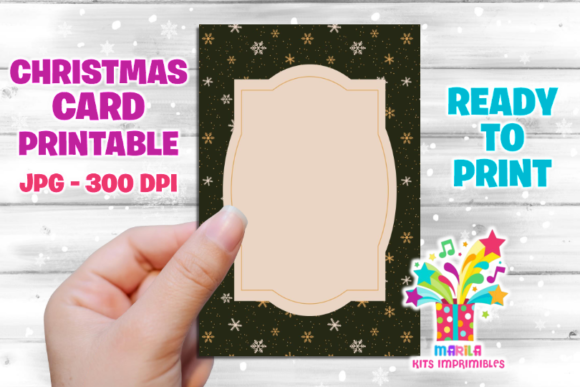
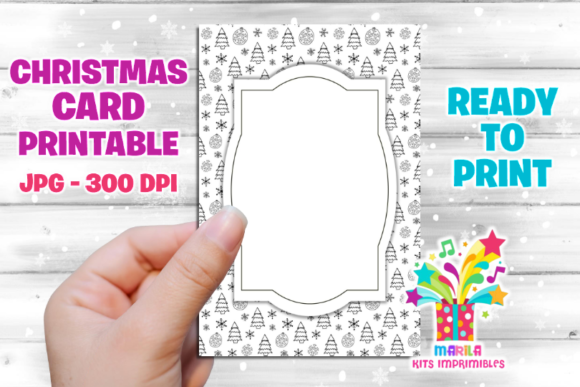
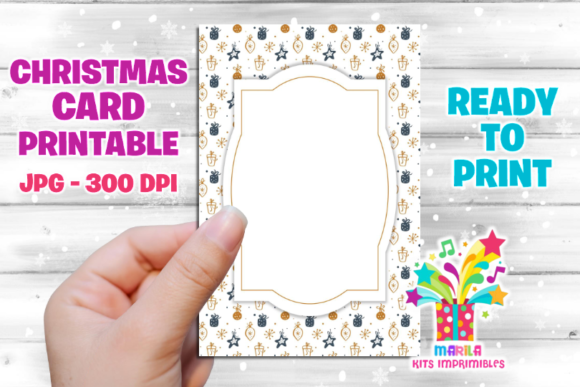
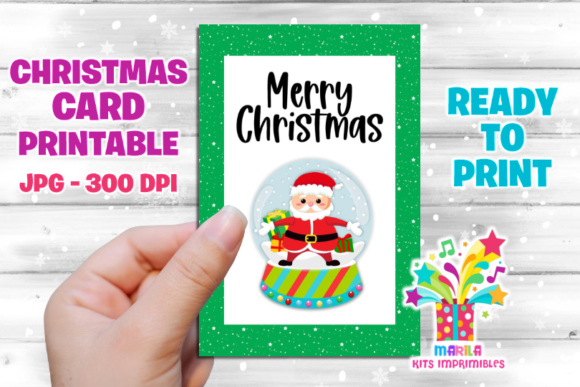
The first thing that strikes me about Christmas Card Printable 12 is its balanced composition. It doesn't scream for attention with overly complex details that demand thousands of stitches; instead, it offers a clean, classic aesthetic that feels appropriate for the season without being cliché. The layout suggests a thoughtful arrangement of elements that would work beautifully as a central motif on a tote bag or as a chest logo on a custom hoodie.
For those of us creating handmade products, the "mood" of a design dictates its price point. This design carries a boutique feel. It avoids the cluttered look of cheap, mass-produced graphics. The visual personality here is warm and inviting, making it an excellent candidate for holiday embroidery projects where the goal is to evoke nostalgia and comfort. Whether you are aiming for a rustic farmhouse vibe or a modern minimalist holiday look, the shapes within this template seem versatile enough to adapt, provided you choose your thread palette wisely.
Real-World Application: The Holiday Tote Scenario
To truly test the viability of Christmas Card Printable 12, I mentally walked through a common real-life scenario: preparing a run of custom embroidered tote bags for a local craft fair. Tote bags are tricky; they often have a weave that can swallow fine details, and the handles create tension points that can distort a design if it's placed too close to the edge.
In this context, the design shines. Its structure appears robust enough to handle the texture of canvas or heavy cotton twill. If I were stitching this onto a natural-colored tote using deep forest greens and cranberry reds, the contrast would pop without needing excessive fill stitch density that might make the bag stiff. For an Etsy seller looking to expand their small shop product line, this design could easily become a signature item. It's the kind of graphic that makes a customer pause while scrolling through a feed because it looks professional and intentional, not like a last-minute addition.
Beyond totes, imagine this on a sweatshirt embroidery project. French terry fabric has a looped texture that can sometimes cause running stitch elements to sink in. However, the proportions in Christmas Card Printable 12 seem substantial enough to sit proudly on top of the fabric loops. It would make a fantastic personalized gift for family members, perhaps paired with a name stitched in a complementary script below the main graphic.
Navigating Fabric Challenges and Technical Constraints
While the design is promising, a responsible designer must also identify where caution is needed. No design is universal, and Christmas Card Printable 12 is no exception. If you are planning to use this on stretchy fabrics like jersey knits for baby embroidery items, you must be vigilant about stabilization. The interplay between the design elements and the stretch of the fabric could lead to distortion if the stitch density is too high for the material weight.
Furthermore, consider the hoop size requirements. While the design feels compact, always verify the dimensions against your machine's capabilities before committing to a large batch. If you are working with dark fabrics, pay close attention to the suggested thread colors. A design that relies on subtle shading might get lost on a black background unless you incorporate a satin stitch border or adjust the underlay settings. Similarly, if you are attempting this on a curved surface like a cap, ensure the center of gravity in the design aligns with the peak of the hat to avoid visual tilting.
Another critical factor is washability. Items like kitchen towels or aprons undergo frequent laundering. If Christmas Card Printable 12 includes very fine details or tiny lettering, these areas are prone to fraying over time. For high-wear items, it might be wise to simplify certain elements or opt for a thicker thread weight to ensure longevity. Always test the design on scrap fabric of the same type you intend to use for the finished product. This simple step saves money and reputation.
Commercial Viability and Brand Consistency
For creative entrepreneurs and apparel decorators, the ultimate question is: does this add value? The answer with Christmas Card Printable 12 leans toward yes, primarily due to its versatility. It fits seamlessly into a cohesive brand identity. If you sell custom apparel, using a consistent design language across your holiday collection builds trust with your buyers. This design acts as a strong anchor for such a collection.
It is also worth noting the distinction between this as a physical stitch-out and its origins. As a Print Templates asset, it likely offers high-resolution clarity that translates well into printable mockup images for your online store. Being able to show customers a realistic preview of the embroidery on a mock-up before you even thread the needle is a powerful sales tool. It bridges the gap between the digital design assets you purchase and the physical embroidery project you deliver.
Practical Notes for the Studio
Before you start stitching, keep these practical checkpoints in mind:
- Test First: Always stitch a sample on scrap fabric to check for pull and puckering.
- Contrast Check: View the design in black and white to ensure the shapes remain distinct without color reliance.
- Stabilizer Selection: Match your stabilizer to the fabric weight; cut-away is often safer for garments that will be washed frequently.
- Licensing Verification: Since this falls under Print Templates, double-check the license terms regarding commercial use. Ensure you are cleared to sell finished items or if there are restrictions on the number of units.
- File Compatibility: Confirm that the embroidery file formats provided match your specific machine brand to avoid conversion errors that can alter stitch paths.
In conclusion, Christmas Card Printable 12 represents a solid choice for the upcoming season. It balances aesthetic appeal with practical application, making it suitable for both hobbyists making gifts and professionals building inventory. With the right fabric choices and technical preparation, it has the potential to be a standout piece in your holiday portfolio.