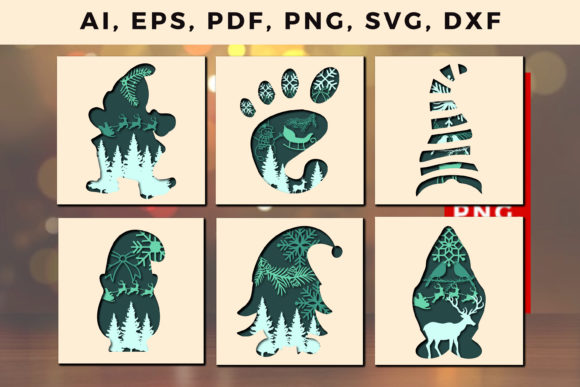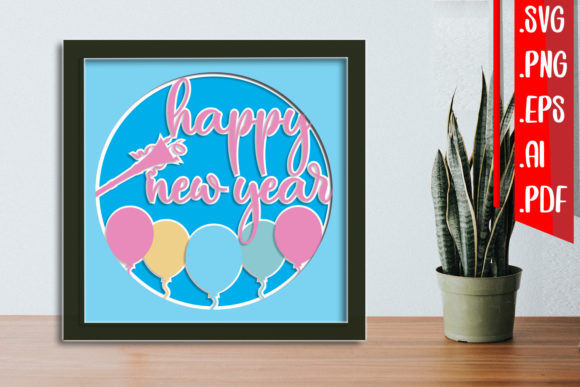
Review: 3D Multi Layer Christmas Shadow Box Design
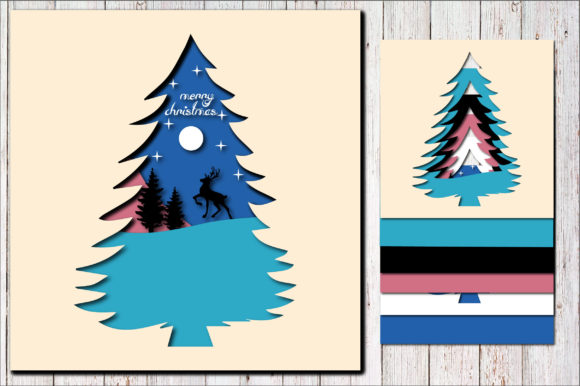
When I first pulled up the 3D Multi Layer Christmas Shadow Box on my screen, my immediate reaction wasn't just about the holiday theme; it was about the architectural potential of the digitizing. As someone who spends hours tweaking stitch paths and analyzing density maps for client projects, I look for designs that offer more than just a pretty picture. I look for depth, texture, and the ability to translate a digital concept into a tangible, high-value handmade product. This design immediately struck me as a piece that belongs on premium goods rather than quick-turn promotional items. The layering suggests a sophistication that elevates a standard Christmas motif into something resembling a framed art piece, which is exactly what discerning customers are looking for in boutique settings.
First Impressions and Visual Personality
The visual personality of this machine embroidery design is defined by its simulated depth. Unlike flat fills that rely solely on color changes, this layout uses overlapping elements to create a shadow effect that mimics a physical shadow box frame. The mood is nostalgic yet modern, perfect for the current trend of "cozy luxury" in home decor and apparel. When evaluating the shape and layout, the balance feels intentional. The details aren't so minute that they will vanish on a textured towel, nor are they so blocky that they lack character. For an Etsy seller or a small shop owner, this visual complexity is a major selling point. It signals to the buyer that time and skill went into the creation, justifying a higher price point for the finished product.
Real-World Application: The Holiday Tote Scenario
To truly test the viability of this design, I imagined a specific real-life scenario: preparing a limited run of custom canvas tote bags for a local boutique's holiday collection. In this context, the 3D Multi Layer Christmas Shadow Box shines. Canvas provides the necessary stability to support the varying stitch densities without excessive puckering. If you were to apply this to a thin, stretchy t-shirt, you might struggle with registration between the layers unless you are an expert with stabilizers. However, on a structured tote or a heavy-weight sweatshirt, the design anchors beautifully.
I can envision a customer walking into a craft fair, seeing this embroidered on a neutral linen tote, and immediately understanding the value. It's not just a bag; it's a seasonal statement piece. The layering creates a tactile experience that encourages people to touch the item, which is half the battle in retail. For custom apparel like hoodies, placing this design on the back yoke or as a large chest piece would create a stunning focal point. It moves beyond simple holiday embroidery and enters the realm of wearable art.
Navigating Technical Challenges and Fabric Choices
While the aesthetic appeal is high, a professional reviewer must address the technical realities. The term "3D" in embroidery often implies complex layering or the use of foam, but even without foam, multi-layer designs demand precision. Where should you use caution? Primarily on curved surfaces like caps. The rigid structure of a cap front can make aligning multiple layers of a shadow box design tricky; if the hoop tension isn't perfect, the "shadow" effect could look misaligned rather than dimensional.
Furthermore, consider the fabric texture. On looped towels or highly textured knits, the fine details of the inner layers might get lost. This design performs best on fabrics with a tight weave, such as twill, denim, canvas, or high-quality cotton blends. If you are attempting this on dark fabric, pay close attention to the thread colors specified in the embroidery file. You may need to manually adjust the underlay or add a backing layer of white fabric if the digitizer did not account for high contrast needs in the deepest shadows. Always test the design on scrap fabric first. This is non-negotiable. Check how the stitch density interacts with your specific material. Does it pull? Does it pucker? These are questions only a physical test can answer.
Stabilizer and Hoop Considerations
Because this design relies on the interplay of layers, stability is key. A cut-away stabilizer is likely your best friend here, especially for garments that will be washed frequently. Tear-away might leave too much movement in the heavier stitch areas, causing the layers to shift over time. Regarding hoop size, ensure your machine can accommodate the full dimensions of the design in one hooping if possible. Re-hooping for multi-layer designs introduces significant risk of misalignment, which would ruin the shadow box illusion. If the design exceeds your standard hoop, verify if the file includes split parts or if you need to resize, keeping in mind that shrinking it too much could merge the delicate running stitches and satin details.
Impact on Brand Value and Customer Trust
Using a sophisticated design like the 3D Multi Layer Christmas Shadow Box directly affects your brand perception. For commercial embroidery businesses, consistency is everything. If you promise a high-end look, your stitch quality must match. This design, when executed well, builds customer trust. It shows that you care about the intricacies of the craft. For those selling digital embroidery files, offering a preview that accurately represents the depth and texture of this design is crucial for buyer engagement. A flat mockup won't do it justice; consider creating a printable mockup that simulates the lighting and shadow to give potential buyers a true sense of the dimensionality.
In terms of giftability, this design hits a sweet spot. It is festive without being childish, making it suitable for adult gifts, corporate holiday bonuses, or upscale nursery decor. Whether it is an embroidered patch meant to be ironed onto a jacket or a direct stitch on a pillow cover, the perceived value is high. It transforms a generic item into a personalized treasure.
Final Designer Notes and Best Practices
Before committing this design to a client project or adding it to your inventory of design assets, there are a few final checks to perform. First, review the stitch sequence. Does it jump excessively between layers? Excessive trims can increase production time and thread waste. Second, inspect the small details. Are there tiny lettering elements or sharp corners that might need manual editing in your software? Third, confirm the licensing terms. Can you sell the finished product indefinitely? Are there restrictions on the number of items? Never assume; always read the license included with the download.
Also, consider testing the design in black and white or grayscale on your screen. This helps you evaluate the contrast and form without the distraction of color. If the design holds up in monochrome, the structural integrity of the digitizing is sound. Finally, think about the end-user. Will this sweatshirt embroidery or tote bag design withstand the rigors of daily use? If the density is too high in one spot, it might become stiff and uncomfortable. Balance aesthetics with wearability.
In conclusion, the 3D Multi Layer Christmas Shadow Box is a robust choice for designers who want to push beyond the basics. It offers a unique blend of traditional holiday warmth and modern dimensional flair. With the right fabric, proper stabilization, and a keen eye for detail, it can be the centerpiece of a highly successful craft business collection or a cherished addition to your personal holiday decor. Just remember: the magic lies in the execution. Treat the file with the respect it deserves, test thoroughly, and let the layers do the talking.